Public Sector Market Forecast: State Fiscal Pressures and Opportunities for Contractors
While state fiscal conditions are tightening, key opportunity areas remain strong — especially in markets supported by federal funding and long-term capital needs.
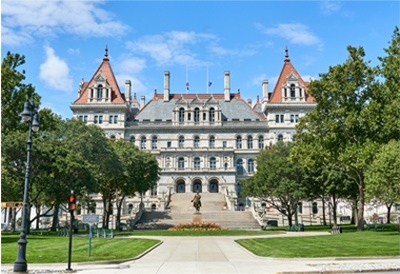 As states prepare for 2026 legislative sessions and grapple with the early impacts of H.R. 1, the public construction market is entering a pivotal period. While state fiscal conditions are tightening, key opportunity areas remain strong — especially in markets supported by federal funding and long-term capital needs.
Where Fiscal Pressure Is Rising
States face:
- Shrinking surpluses
- Rising costs tied to Medicaid and SNAP
- Greater demand for staffing and IT
- Reduced flexibility as obligations increase
Some states may delay nonessential projects or stretch capital plans across multiple budget cycles.
Where Opportunity Remains Strong
1. Federally Supported Infrastructure & Energy Projects
IIJA, IRA, and CHIPS funds continue to drive investment in:
- public buildings
- energy systems
- federal facilities
- efficiency and HVAC upgrades
2. K–12 and Higher Education Facilities
Deferred maintenance and aging systems keep demand high for HVAC, ventilation, and modernization work.
3. Health and Behavioral Health Facilities
States continue to prioritize hospital expansions, labs, and specialty care facilities.
4. Energy & Climate Initiatives
States are still advancing building performance standards, electrification, and carbon-reduction goals, even amid fiscal tightening.
What Contractors Should Watch
- Cautious budget-setting with focus on essential needs
- Federal dollars continue to dominate large project funding
- Expansion of energy and resilience requirements
- Local governments stepping up capital spending in key areas
Bottom Line
Despite fiscal headwinds, significant segments of the public market remain resilient. SMACNA will continue tracking trends and preparing members for market shifts ahead.
Dec 4, 2025 — State Legislative
Latest Articles
Jul 31, 2026 - New facilities are two to three times larger than traditional commercial projects, requiring more HVAC systems, more sheet metal, more coordination, and significantly greater electrical capacity.
Jul 31, 2026 - A recent U.S. Supreme Court decision cleared a significant legal hurdle for future development, while lawmakers continue to wrestle with questions surrounding energy demand, water consumption, permitting, and infrastructure planning.
Jul 31, 2026 - Project represents one of the nation's largest transportation infrastructure investments and will restore a critical freight corridor serving the Port of Baltimore and the Mid-Atlantic region.
Privacy Policy |
Terms of Use | Contact Us
Phone: 703.803.2980 | Email:
info@smacna.org
© 1998-2026 SMACNA. All rights reserved.
Web Design & Development by Matrix Group
International, Inc.
