Redistricting and the 2026 Political Landscape
Redistricting and gerrymandering efforts are once again shaping the political environment ahead of the 2026 midterm elections.
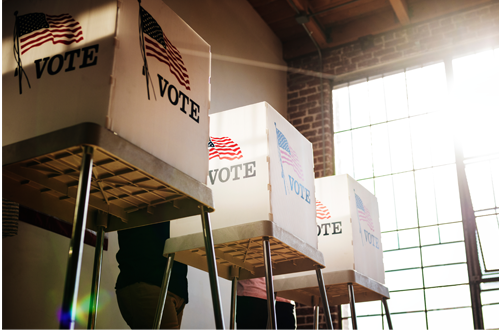
As outlined in recent SMACNA communications and national reporting, redistricting and gerrymandering efforts are once again shaping the political environment ahead of the 2026 midterm elections. Unlike the traditional post-Census redistricting process, several states are pursuing or defending mid-decade congressional map changes, an unusual development with direct implications for federal policymaking.
States including Texas, North Carolina, Ohio, Missouri, Utah, California, and New York are central to these developments, though the form and status of action varies significantly by state.
Texas and North Carolina have enacted or cleared new congressional maps expected to be used in the 2026 elections, placing both states at the center of national attention due to the size and competitiveness of their congressional delegations.
Ohio and Missouri have adopted new maps through legislative or commission action, while legal challenges and procedural questions continue to unfold.
Utah is operating under court-adopted congressional districts following judicial intervention.
California, through voter-approved action, has implemented temporary congressional maps that will govern elections through the end of the decade.
New York remains under court-drawn congressional maps. While there has been ongoing discussion about revisiting district lines ahead of 2026, any changes would face significant legal and constitutional constraints, making outcomes uncertain but nonetheless important given the size of the state’s delegation.
For SMACNA members, the relevance of these developments is practical rather than political. Congressional representation directly affects federal infrastructure and construction funding priorities, workforce development and apprenticeship programs, labor and regulatory policy, and committee leadership and oversight relevant to the mechanical contracting industry.
SMACNA is actively monitoring redistricting developments in these key states and coordinating with chapters to ensure awareness of potential changes. In states where district lines may shift—or where new members of Congress could emerge—early engagement and sustained relationships will be essential. SMACNA will continue to provide updates and guidance as the 2026 election cycle advances.
Jan 12, 2026 — State Legislative
Latest Articles
Jul 31, 2026 - New facilities are two to three times larger than traditional commercial projects, requiring more HVAC systems, more sheet metal, more coordination, and significantly greater electrical capacity.
Jul 31, 2026 - A recent U.S. Supreme Court decision cleared a significant legal hurdle for future development, while lawmakers continue to wrestle with questions surrounding energy demand, water consumption, permitting, and infrastructure planning.
Jul 31, 2026 - Project represents one of the nation's largest transportation infrastructure investments and will restore a critical freight corridor serving the Port of Baltimore and the Mid-Atlantic region.
Privacy Policy |
Terms of Use | Contact Us
Phone: 703.803.2980 | Email:
info@smacna.org
© 1998-2026 SMACNA. All rights reserved.
Web Design & Development by Matrix Group
International, Inc.
