
Data Centers Continue to Shape State Policy and Construction Markets
A recent U.S. Supreme Court decision cleared a significant legal hurdle for future development, while lawmakers continue to wrestle with questions surrounding energy demand, water consumption, permitting, and infrastructure planning.
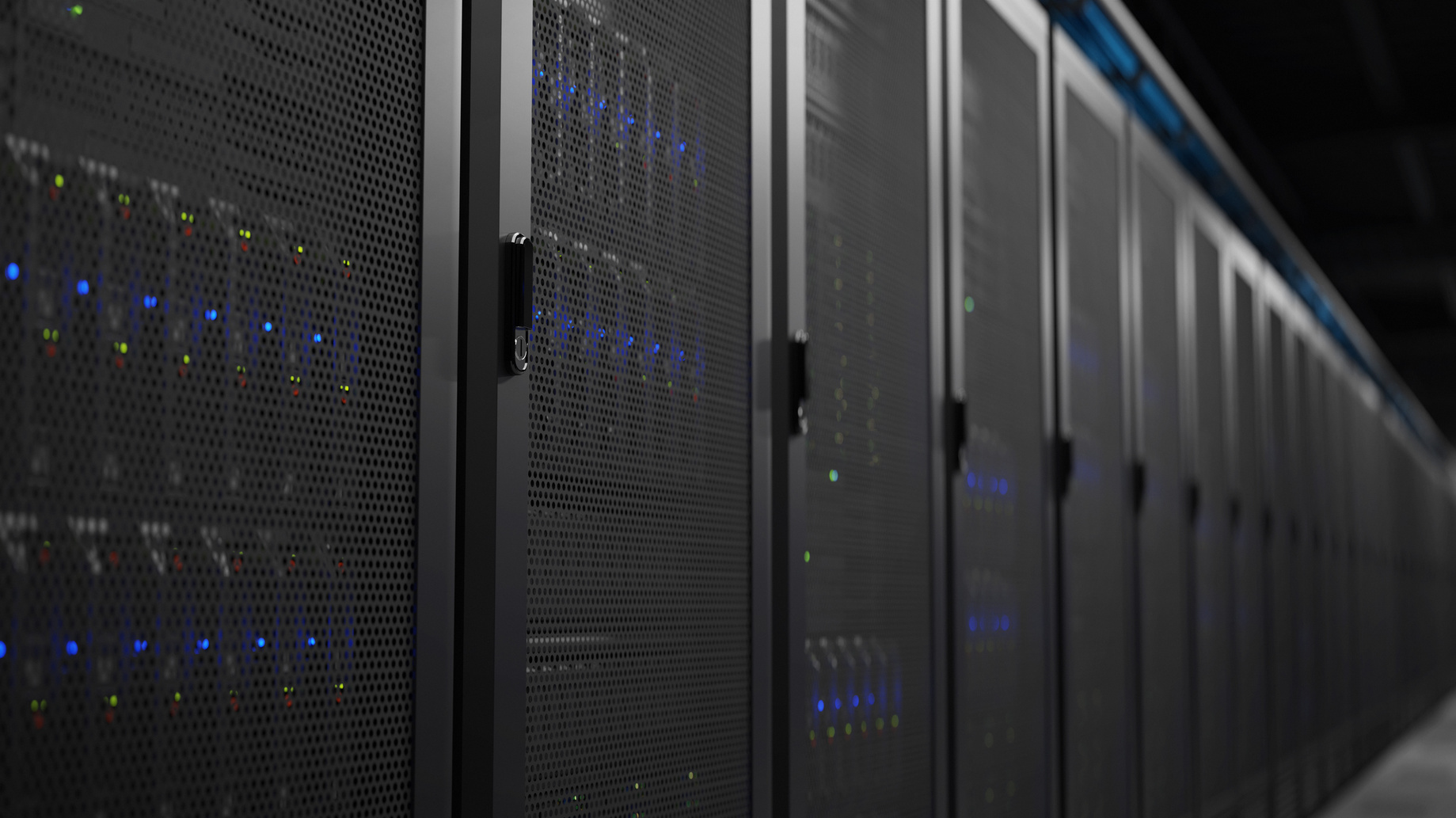
Artificial intelligence and cloud computing are fueling unprecedented investment in data centers, but the rapid expansion of these facilities is also driving new policy debates in state capitols across the country.
A recent U.S. Supreme Court decision cleared a significant legal hurdle for future development, while lawmakers continue to wrestle with questions surrounding energy demand, water consumption, permitting, and infrastructure planning. Industry experts project that U.S. data centers could double electricity consumption by 2030 while dramatically increasing water usage over the next several years.
For SMACNA contractors, the trend represents one of the strongest long-term market opportunities in decades. Data centers require sophisticated HVAC systems, complex mechanical construction, mission-critical infrastructure, and a highly skilled workforce—creating sustained demand for sheet metal contractors throughout the country.
Jul 31, 2026 — State Legislative
Latest Articles
Jul 31, 2026 - New facilities are two to three times larger than traditional commercial projects, requiring more HVAC systems, more sheet metal, more coordination, and significantly greater electrical capacity.
Jul 31, 2026 - A recent U.S. Supreme Court decision cleared a significant legal hurdle for future development, while lawmakers continue to wrestle with questions surrounding energy demand, water consumption, permitting, and infrastructure planning.
Jul 31, 2026 - Project represents one of the nation's largest transportation infrastructure investments and will restore a critical freight corridor serving the Port of Baltimore and the Mid-Atlantic region.
Privacy Policy |
Terms of Use | Contact Us
Phone: 703.803.2980 | Email:
info@smacna.org
© 1998-2026 SMACNA. All rights reserved.
Web Design & Development by Matrix Group
International, Inc.
