AI Data Centers: Are They Really That Bad?
The latest AI Reality Check takes a dive into the impacts that data centers have on our communities and helps you understand what is truth and what is hype.
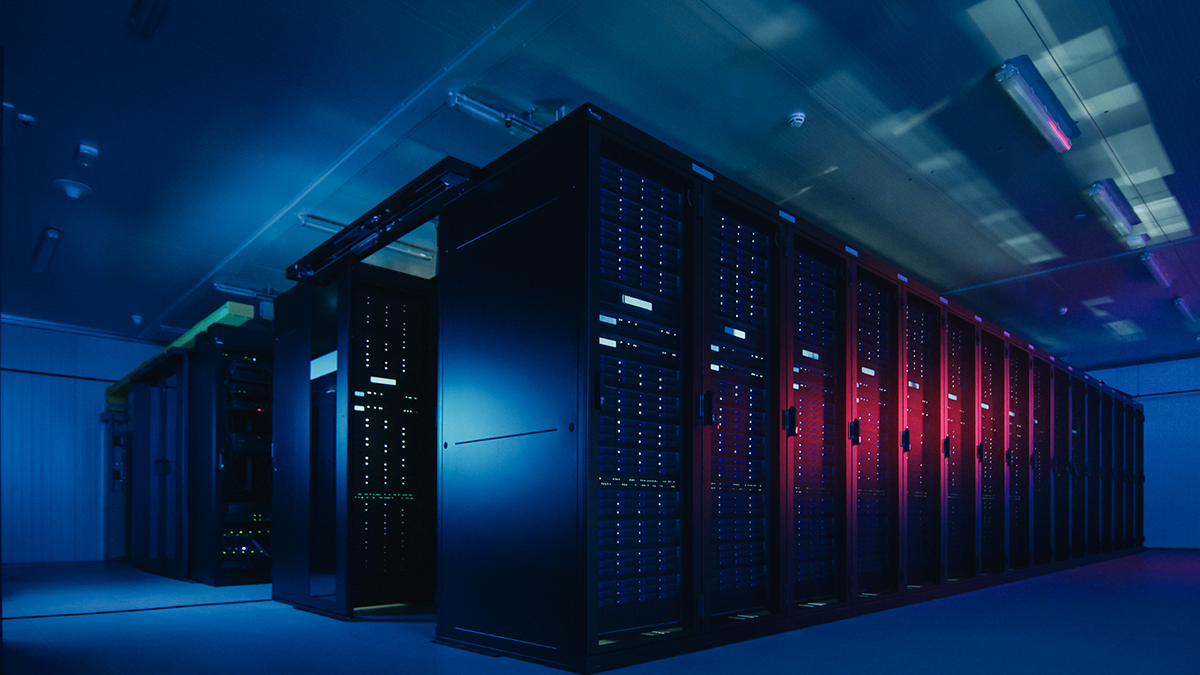
Recent months have seen the latest AI hype - the claimed water, electricity and noise impacts of data centers, and the bans they seem to be causing. As we get closer to elections in November, data centers have become one of the topics politicians are increasingly talking about. But what’s the reality?
Data centers are not all one thing, so blanket bans don’t make any more sense than a blanket ban on new warehouses or chemical plants. The problem arises when they are being built so quickly, on such a massive scale, while competing with each other for key components like generators and electrical equipment. Some companies have apparently chosen to do back-room deals locked behind non-disclosure agreements, which has not helped.
The other problem is that, seen as a whole, data centers use less water than golf courses or even almond growers, but that doesn’t help a local community that has a sudden, massive draw on their water. The problem has been addressed by innovating closed loop cooling systems that don’t require anywhere near as much water as earlier designs, but this costs money and needs to be part of the agreement with the city or county. The same is true with power - most recent data centers are building their own generating capacity and even lowering consumer electric bills.
What is often missed is the significant property tax income that data centers can provide, allowing residents to benefit from better schools, roads and other public services. Once again that needs to be part of the agreement, and it wasn’t always the case.
Perhaps a better way to look at this is that an entirely new type of industry has been created, “AI data centers” that so different from its predecessor that business practices, contracts and regulations are just now catching up. What we can likely expect is a wave of regulations across the country that begin to bring some order to this mad rush of building. Some states and counties will over-regulate and lose that tax revenue, while others will regulate less and attract both more data centers, with some continuing to see negative impacts on residents, although less than in the past.
Aug 26, 2026 — Member Update
Latest Articles
Oct 14, 2026 - Program open to qualified students seeking to further their undergraduate education at an accredited four-year college or university. The scholarships are open to full-time students entering their first year and current full-time undergraduate students.
Oct 14, 2026 - Start diving into our three select sessions to watch, and view the full conference program today.
Oct 14, 2026 - Learn more about the event that gives attendees the opportunity to stay informed about SMACNA initiatives and engage with SMACNA leadership.
Privacy Policy |
Terms of Use | Contact Us
Phone: 703.803.2980 | Email:
info@smacna.org
© 1998-2026 SMACNA. All rights reserved.
Web Design & Development by Matrix Group
International, Inc.
