HVAC: Mapping the Work
How shops can use AI to turn messy, real-world operations into clear processes, usable SOPs and repeatable training tools.
In many fabrication shops, the hardest part of improvement is seeing the work clearly.
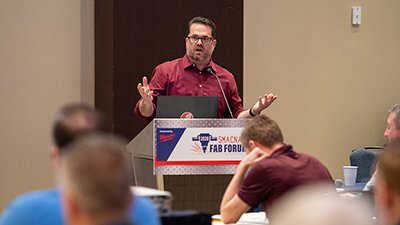
Jonathan Marsh’s case for AI started there. “If a process is vague, undocumented or trapped in someone’s head, the shop pays for it in rework, waiting and friction,” says the CEO of Steel Toe Consulting and a technology strategist who specializes in helping construction companies integrate and implement modern technology and workflows to enhance their operations.
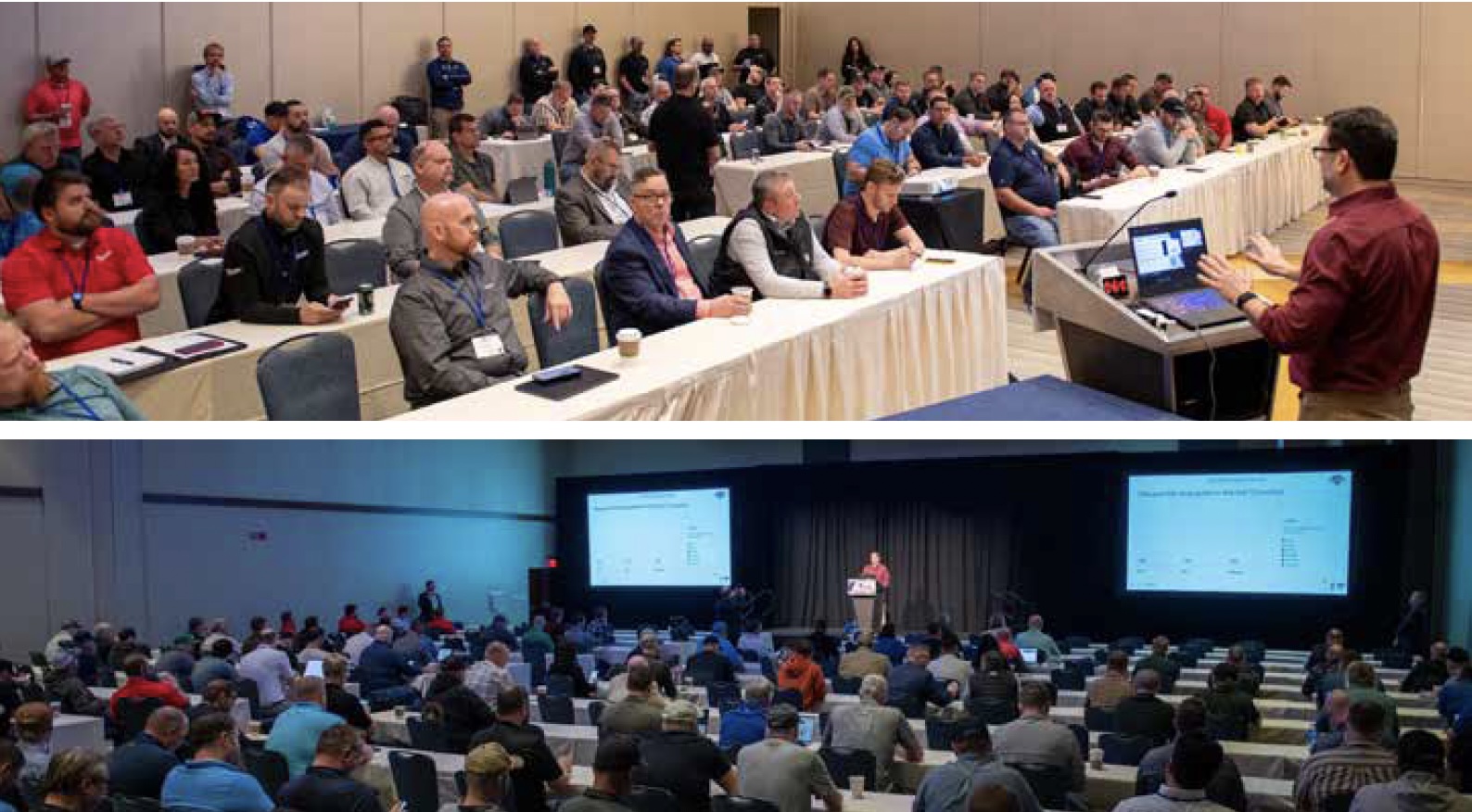
At SMACNA’s Fab Forum that took place in April in Chicago, he framed process mapping as a practical way to recover time and reduce wasted capacity, arguing that clear, standardized systems can improve throughput and profitability.
AI can help smooth this process, he says. Instead of waiting for a perfect document or a dedicated process writer, teams can capture work as it happens and let AI help shape raw material into something usable. “That means,” he explains, “a supervisor, operator or frontline worker can contribute with little training, turning screenshots, phone videos, notes and existing documents into first drafts much faster than traditional documentation methods.”
Start With Real Work
Marsh’s chronological approach begins with observation.
Before AI can organize anything, the shop must show it what actually happens on the floor. He suggests a simple capture flow that starts with collecting the work in motion, whether through screen recordings, click trails, videos or notes, and treating those as the raw ingredients for later cleanup.
The next step is normalization. AI can help turn a rough transcript or a pile of observations into a consistent structure by adding step formatting, naming conventions, role labels and safety notes. In other words, the tool is imposing order on the shop, so that a messy process becomes readable and repeatable
Marsh identifies screen-based systems as especially useful for digital workflows, since they can automatically generate step-by-step standard operating procedures (SOPs) from software activity. For teams that need training and version control, he points to platforms that combine process documentation with onboarding and approval workflows.
General-purpose large language models can be flexible options for fast drafting and formatting. “That flexibility matters when a team already has its own templates or wants to build a process from transcripts, notes or scratch,” he explains. “It’s not that one tool fits every shop, but that a tool matches the kind of work being documented.”
Build the Team
Marsh argues that good process work depends on the right people, not just the right software.
AI implementation works best when two roles are present: an innovation lead and a delivery lead. One person sees patterns, adapts quickly and pushes ideas forward; the other keeps the work sequenced, grounded and consistent.
He ties that to personality and working style. The process improvement fails when it is either too theoretical or too rigid. “A strong team balances creativity with execution so the result is both practical and scalable,” he says.
Process or Procedure
There is a difference between process and procedure in AI adoption.
A process describes the bigger flow of work: what happens, in what order and how one stage connects to the next. A procedure, by contrast, gets down to the exact steps, rules and checks needed when the task must be done the same way every time.
Since not every job needs the same level of control, Marsh suggests using process language for larger workflows, such as project life cycles or shop flow,
and procedure language for tightly controlled tasks like machine operation, fixed-station assembly or quality checks.
“The wrong level of detail can make a system either too loose to be useful or too rigid to survive contact with reality,” he shares.
From Video to SOP
To do this right, use a simple implementation method, Marsh suggests. First, identify the process or procedure and define its key areas. Next, film the work as it exists today, then review the video with people who understand the operation and create a descriptive transcript.
From there, AI can turn that transcript into a draft SOP or process document, which should then be reviewed, approved and stored for reuse. He emphasizes that the final system should be searchable, versioned and organized so teams can return to it later instead of rebuilding knowledge from scratch.
In the end, it’s “not about replacing human judgment,” he says. “It’s more about making expertise visible, reusable and easier to teach.”
Published: July 14, 2026
IN THIS ISSUE
3 Benchmarking Metrics Every Contractor Should Track Throughout the Year
Sometimes, success is best measured in relative terms.
ARCHITECTURAL: 173 Feet Up, 130 Years In
Heather & Little brings Cornell University’s McGraw Tower back from the brink.
Caged on Clark Street
When FX’s “The Bear” needed a bear cage for its now-iconic opening scene, they called a sheet metal shop in the Chicago suburbs. It became the biggest show in the city.
Chapter Spotlight: From Tennis Courts to the Corner Office
CHAPTER Spotlight: Tri-County SMACNA: How friendship, tragedy and a family affair reshaped one SMACNA chapter
How Contractors Are Rethinking Fabrication
At SMACNA’s Fab Forum, contractors discussed the future of shop productivity — from prefab and inventory control to automation.
HVAC: Mapping the Work
How shops can use AI to turn messy, real-world operations into clear processes, usable SOPs and repeatable training tools.
INDUSTRIAL: Lee Mechanical’s 250,000-Pound Sheet Metal Answer to the Data Center Boom
When a long-term client needed a massive mechanical infrastructure overhaul at a data center supply chain facility in southeastern Wisconsin, Lee Mechanical brought the solution.
Inside SMACNA’s First Washington, D.C. Leadership Conference
Contractors, policymakers and industry experts convened on Capitol Hill for two days of policy briefings, lobbying and hard conversations about tariffs, pensions and the future of the construction industry.
Learning, Lobbying & Lasting Connections
When I travel, people often ask me why SMACNA membership is important. Networking with peers is a big reason, since it lets us learn from the best in the industry and discover new ideas.
Opportunities for AI in the Sheet Metal and HVAC Industries
At its heart, artificial intelligence differs from traditional software because it uses probability, not instructions, to get work done.
RESIDENTIAL: The 12-month Build
Inside Design Aire’s race to install 259 HVAC systems before Washington University’s fall semester.
Supreme Court Confirms Broad Actuarial Discretion in Withdrawal Liability Calculations
On May 21, the U.S. Supreme Court issued a unanimous decision in M & K Employee Solutions v. Trustees of the IAM National Pension Fund that should be of interest to unionized construction contractors participating in multi-employer pension plans.
TESTING, ADJUSTING AND BALANCING: No More Out of Sight, Out of Mind
Fire and life safety systems hidden inside ductwork have gone unchecked for too long. Industry experts say their moment of focus has arrived.
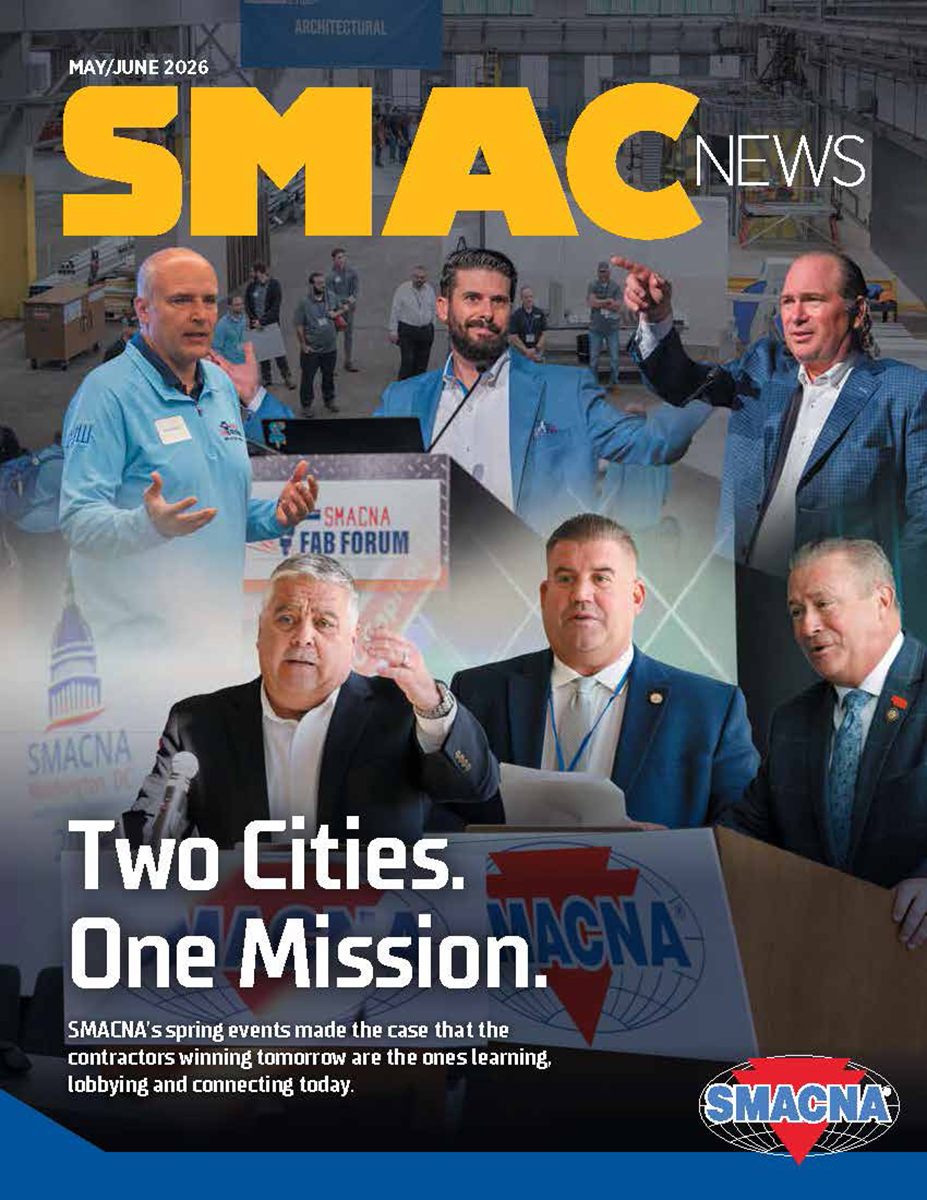
Two Cities. One Mission.
SMACNA’s spring events made the case that the contractors winning tomorrow are the ones learning, lobbying and connecting today.
Welcome New SMACNA Members
Privacy Policy |
Terms of Use | Contact Us
Phone: 703.803.2980 | Email:
info@smacna.org
© 1998-2026 SMACNA. All rights reserved.
Web Design & Development by Matrix Group
International, Inc.
