Workforce Strategies: Finding and Retaining Talent in a Shifting Workforce
How to recruit with authenticity, retain through empathy and develop through opportunity.
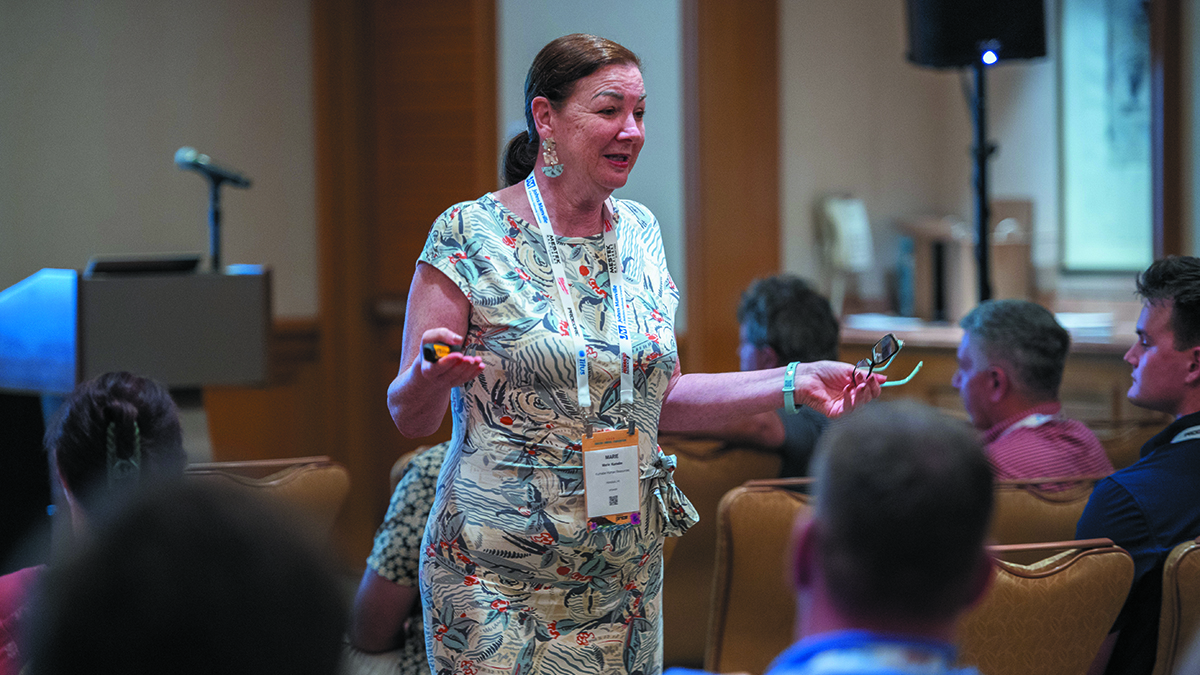 When Marie Kumabe takes the stage, she doesn’t begin with statistics or corporate buzzwords. She starts with a question: “How did you get into your field?” It’s a simple prompt that reveals something profound about the state of today’s workforce: most of us didn’t plan our paths.
“More than half of people at the SMACNA Annual Convention, and nearly 40% nationally, say they never had a plan,” Kumabe says. “That tells us something about how little exposure young people have to different industries, and how much work we have to do to change that.”
As Principal of Kumabe HR, Hawaii’s leading executive recruitment firm for the past seven years, Kumabe has made a career of helping employers find and keep the right people. With 35 years in human resources and as Faculty Director of the Executive Master’s of Human Resources program at the University of Hawai‘i at Mānoa’s Shidler College of Business, she’s witnessed waves of economic and demographic change. But she says the current moment, marked by record-low unemployment, high turnover and a shrinking pool of new entrants into the workforce, is particularly challenging.
“The U.S. fertility rate hit its lowest level ever recorded,” Kumabe says. “That means fewer people will be around to fill jobs in the next generation. It’s not just a temporary labor shortage; it’s a structural one.”
“In a market like that, you can’t just post a job listing and hope for the best,” Kumabe says. “You have to compete not only on pay and benefits, but on meaning, mission and flexibility.”
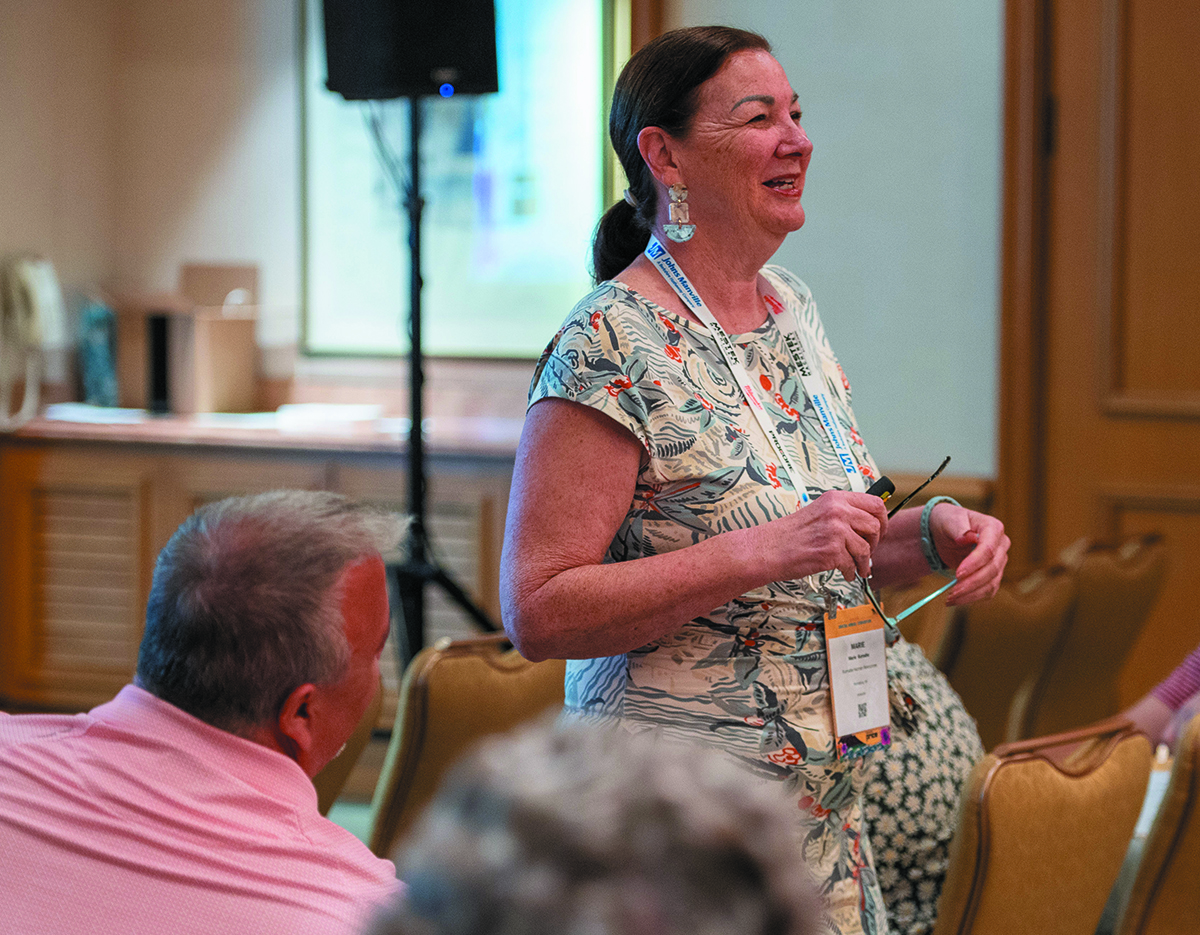
She emphasizes that recruiting is no longer the sole domain of HR. “It’s everyone’s job,” she says. “Your brand, managers and employees — everyone contributes to how your organization is perceived as a place to work.”
RECRUITMENT IS MORE THAN PAYCHECKS
Recruitment, as Kumabe frames it, begins long before a job offer is extended. “It starts with telling your story,” she says.“If your job description starts and ends with duties and requirements, you’re missing the heart of what it could be.”
A compelling job listing, in her view, highlights the company’s mission, values and community impact before diving into the logistics. “People want to know how they’ll make a difference,” she explains. “Include photos, stories and the things you’re proud of as an organization.”
Kumabe says that employers also need to “monetize benefits” by clearly distinguishing what sets them apart, whether it’s an Employee Stock Ownership Plan (ESOP), flexible hours or wellness initiatives. These tangible and intangible perks, when properly communicated, can influence a candidate’s decision as much as base pay.
For younger generations, she adds, the definition of “total rewards” has shifted. “Generations Y and Z are looking for fair pay and personal meaning,” Kumabe says. “They care about inclusive benefits that go beyond parenthood, equity at all levels and flexibility that supports their well-being.”
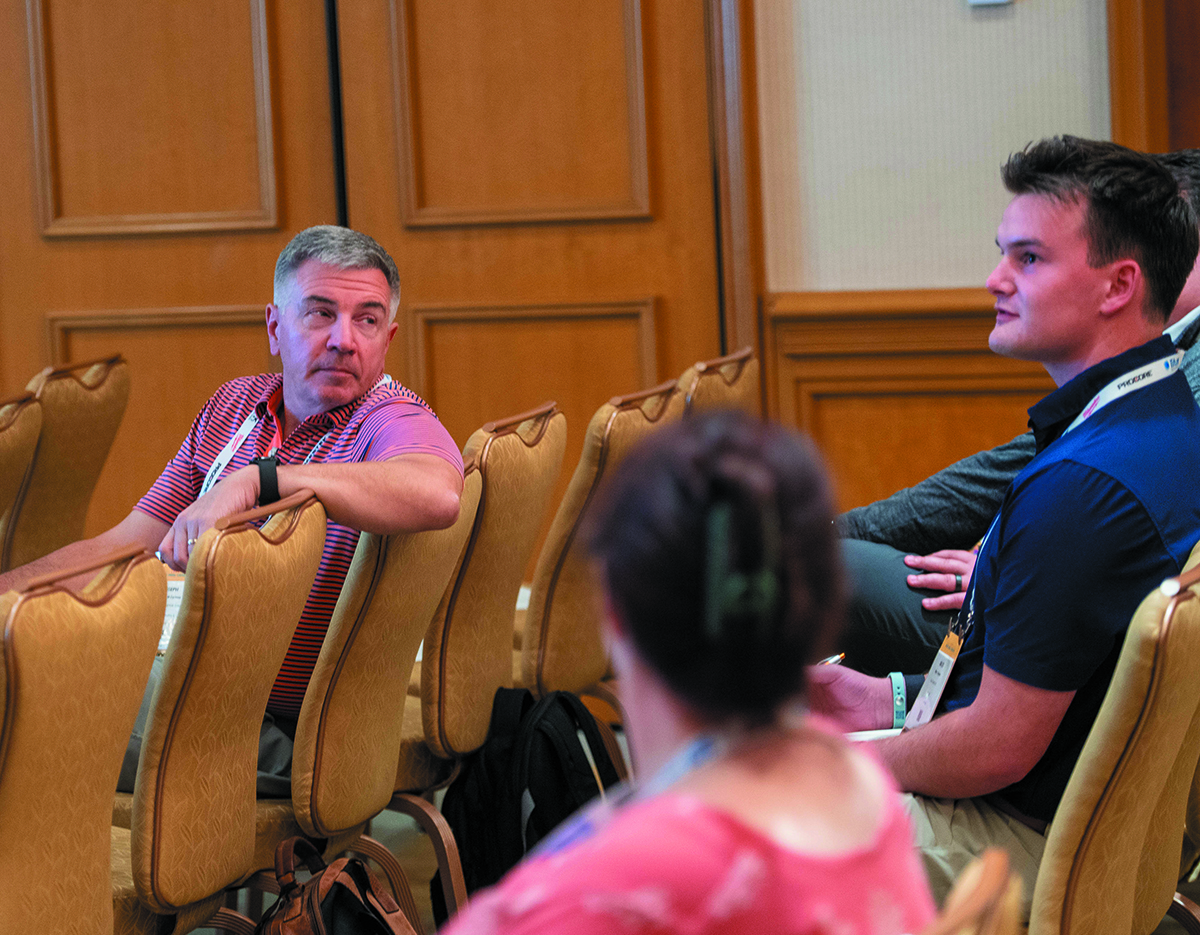
She cites a telling observation from Business Insider: younger employees are unapologetically setting boundaries by taking mental health days, delegating work when necessary and defining success by balance rather than burnout. “That’s not laziness,” she says. “That’s evolution. They see work as part of life, not life itself.”
Recruiting talent is hard enough but keeping it can be even harder.
Kumabe believes retention strategies must adapt to reflect the same human-centered thinking that drives modern recruitment. “You retain people by creating conditions where they can grow, connect and belong,” she says.
That means addressing the fundamentals — competitive pay, flexible scheduling and job security — but also nurturing a sense of purpose. “Offer paid volunteer days, support community engagement and make sure employees see how their work ties to something bigger,” she suggests.
Kumabe says companies should treat retention like a living system, not a one-time initiative. “It’s about personalized, evolving rewards,” she explains. “That could mean offering hybrid work for parents, professional development for mid-career workers or leadership pathways for rising stars.”
She encourages employers to listen actively through employee surveys and feedback loops. “Job security today doesn’t just mean keeping your position,” she says. “It means knowing your employer is invested in you, including your skills, your well-being and your future.”
One of Kumabe’s recurring themes is the idea of strategic workforce development, which is the long-term process of cultivating talent from within.
“Cultivating internal talent is a strategic imperative. By upskilling and reskilling your workforce, you unlock their hidden potential and ensure they thrive into the future.”
She points to both formal and informal learning opportunities. Formal options include industry certifications, such as the Sheet Metal Career Certification, and professional learning through platforms like LinkedIn Learning or SMACNA’s development webinars. Informally, she recommends mentorship programs, shadowing opportunities and inviting emerging employees to sit in on meetings where they can observe leadership in action.
“These experiences build confidence and a sense of belonging,” she says. “And they tell your employees, ‘We see a future for you here.’”
To make all of this real, Kumabe urges leaders to reimagine how they present their organizations, starting with job descriptions. “At the top of every posting, tell them who you are and what you believe in,” she says. “Describe why your people love what they do before you list qualifications or duties.”
She suggests attending job fairs and industry events to tell your story and show pride in your field. “Ironically, very few people outside certain professions know what realistic career paths look like,” Kumabe says. “We have to bridge that gap early, especially with high school and college students.”
That visibility, she argues, can inspire new generations to discover fields they might never have considered. “If we want to find them, get them and keep them,” she says, “we have to show them why our industries matter and that they can belong here.”
Kumabe says building a strong workforce is about cultivating community. “Talent doesn’t grow in isolation,” she says. “It grows in environments where people feel valued, challenged and connected.”
For her, that’s the essence of the future of work: recruiting with authenticity, retaining through empathy and developing through opportunity.
“Everyone in your organization plays a role in that,” Kumabe says. “We all share the responsibility to build workplaces that people want to be part of — not just for a paycheck, but for purpose.”
“Everyone in your organization plays a role. We all share the responsibility to build workplaces that people want to be part of — not just for a paycheck, but for purpose.
Marie Kumabe, Principal, Kumabe HR
Published: May 18, 2026
IN THIS ISSUE
AI Is Your New Apprentice: Why Contractors Need Training, Guardrails and an AI Game Plan in 2026
Unlike some technologies, AI is not just something firms adopt; it has a strong individual-level adoption, which presents a problem familiar to leaders who dealt with the introduction of smartphones 15 years ago.
ARCHITECTURAL: Where Metal Meets the Landscape
California Sheet Metal’s award-winning work at Bioterra proves that architectural precision and environmental harmony are not mutually exclusive.
Chapter Spotlight: SMACNA Detroit - America’s Comeback City
The Motor City’s SMACNA chapter works to capture new opportunities in this resurgent community.
Clean Air, Efficient Buildings: SMACNA Pushes Three Bills That Could Transform the Industry
The construction slowdown that began in early 2025 only worsened in 2026 due to increased metal and equipment tariffs,spiking energy costs and stubborn interest rates.
How a Father’s Advice Built a Career
SMACNA's President discusses his story of how he entered the trades and provides advice for those looking to join our industry.
HVAC: 75 Years and Still Ahead of the Curve
Geauga Mechanical’s three-generation bet on innovation pays off in an historic Cleveland renovation.
INDUSTRIAL: Metal and Microclimates
How HVAC is powering America’s next industrial boom.
Powering the Trades
Learn more about the enormous potential of a career in the trades and why it is important for SMACNA to do its part to build a sustainable and dynamic workforce.
RESIDENTIAL: Breathing Life Into Burnaby’s New Skyline
At Gilmore Place, Evergreen Sheet Metal navigated one of the most complex HVAC installations in British Columbia’s history.
TESTING, ADJUSTING AND BALANCING: Tuning the Invisible TAB Orchestra
HVAC systems hum silently when balanced right, delivering comfort, safety and efficiency. But when done wrong, the noise of wasted energy and failed inspections can drown out everything.
Welcome New SMACNA Members
What Contractors Should Know About “No Tax on Overtime”
To keep projects moving and crews in the field, overtime has long been a reality in the construction industry.
Workforce Strategies: A Trade Without Walls
How three professionals from academia, marketing and tech left their careers behind and found their futures in sheet metal and HVAC.
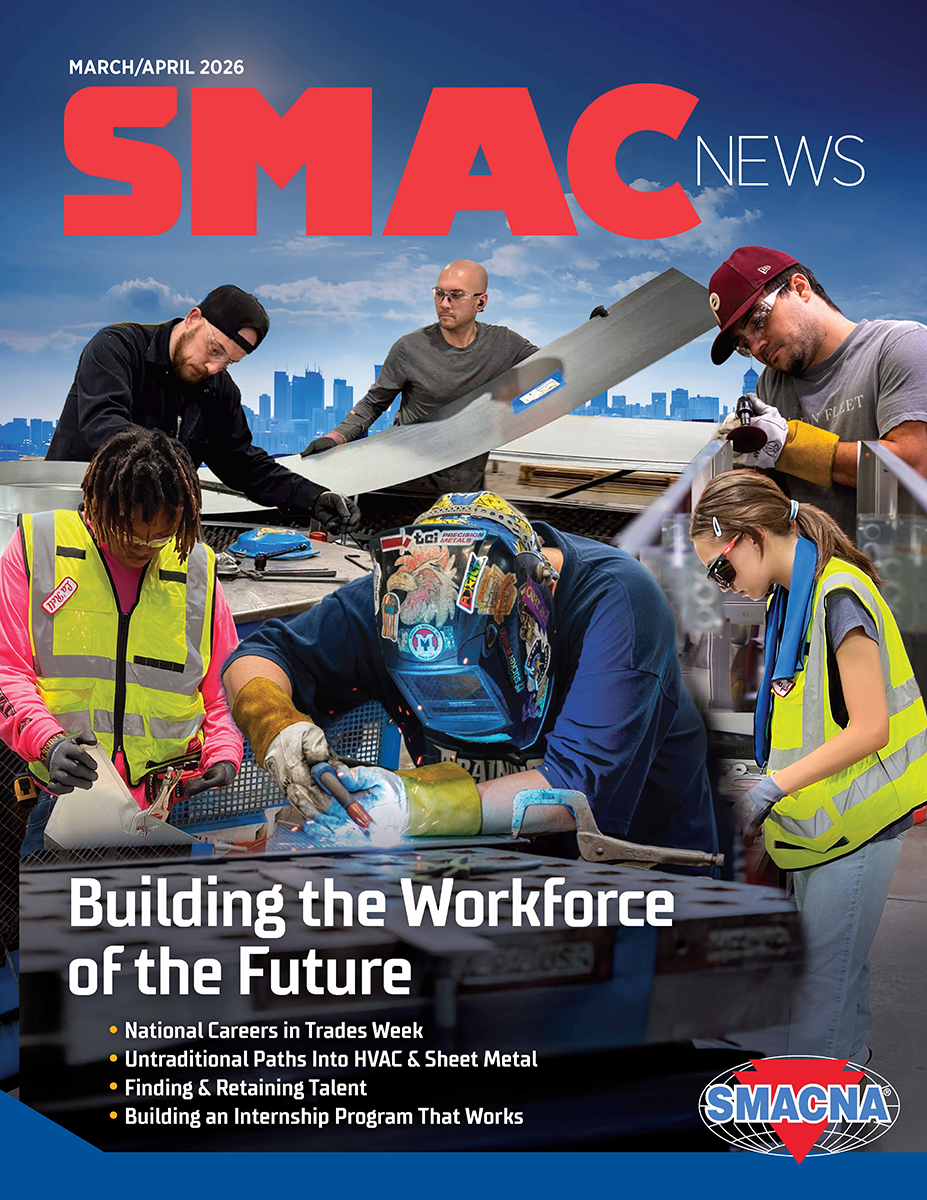
Workforce Strategies: Building the Workforce of the Future
National Careers in Trades Week returns with new partners, new research and a new generation ready to work.
Workforce Strategies: Finding and Retaining Talent in a Shifting Workforce
How to recruit with authenticity, retain through empathy and develop through opportunity.
Workforce Strategies: How to Build an Internship Program That Works
Sheet metal and HVAC leaders reveal proven strategies that turn college talent into industry lifelines, even for small firms.
Privacy Policy |
Terms of Use | Contact Us
Phone: 703.803.2980 | Email:
info@smacna.org
© 1998-2026 SMACNA. All rights reserved.
Web Design & Development by Matrix Group
International, Inc.
