Workforce Strategies: How to Build an Internship Program That Works
Sheet metal and HVAC leaders reveal proven strategies that turn college talent into industry lifelines, even for small firms.
 In the world of construction, where skilled talent shortages threaten project timelines and innovation, internship programs stand as vital pipelines for fresh expertise.
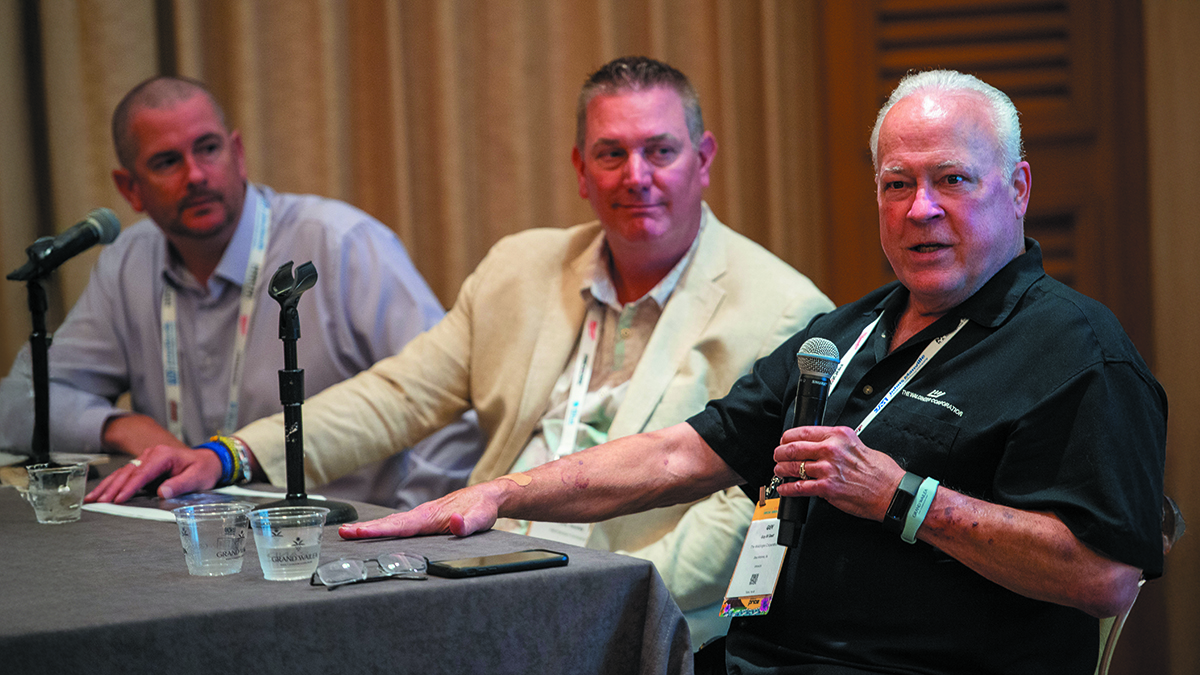
At the 2025 SMACNA Annual Convention, sheet metal and HVAC leaders shared proven strategies for building internships, offering blueprints any firm can adapt to build robust programs that attract, develop and retain top talent.
PROGRAM FOUNDATIONS
Panelists emphasized starting small but intentional when creating an internship program. Bryce Barler, Operations Manager at Southland Industries in Southern California, highlights their scale. “This past year, we had 126 interns nationwide. I had 13 locally,” shares Barler, who is heavily invested in the company’s internship program. “I think we all know how hard it is to find good talent. So, we have a pretty good, robust internship program to help with that.”
Guy Gast, Former President of The Waldinger Corp., notes the evolution of his internship program experience. “We stumbled into internship, and what I’ve noticed over the years is our program has become more and more intentional and formal,” he explains. “Over the last two years, we’ve averaged 40 interns.”
Chris Gourley, Special Projects Director at Hermanson Co., Kent, Washington, also reported strong results. “We have usually about four interns each year in the fall. And we have hired 15 or 16 over the last 15 years. So, we get about 62% retention on our interns.”
The pipeline of interns can build the future of the company, points out Angie Simon, co-founder of the Heavy Metal Summer Experience and former SMACNA president. She retired as president of Western Allied Mechanical, Union City, California, and the president who took over after she retired was a previous intern. “It’s nice to see the next generation from those interns run the company,” she says.
What’s the best way to draw students into an internship program? The panelists say building university ties and targeting passion over pedigree are important tactics.
Gast stresses relationships. “A successful program is built on a successful relationship with the university,” he says.
“You want to get to that point where you’re top of mind when a university department head says, ‘I’ve got this kid and I think he belongs with you guys.’”
Barler sends employees back to their alumni schools to help recruit interns or future employees. “I send [project managers] to the universities where they graduated from and rely on their sense of judgment to see whether or not these students that show passion for what we do and are excited about what we do,” he says, adding that the company has 12 or 13 people in the company who help with the internship program.
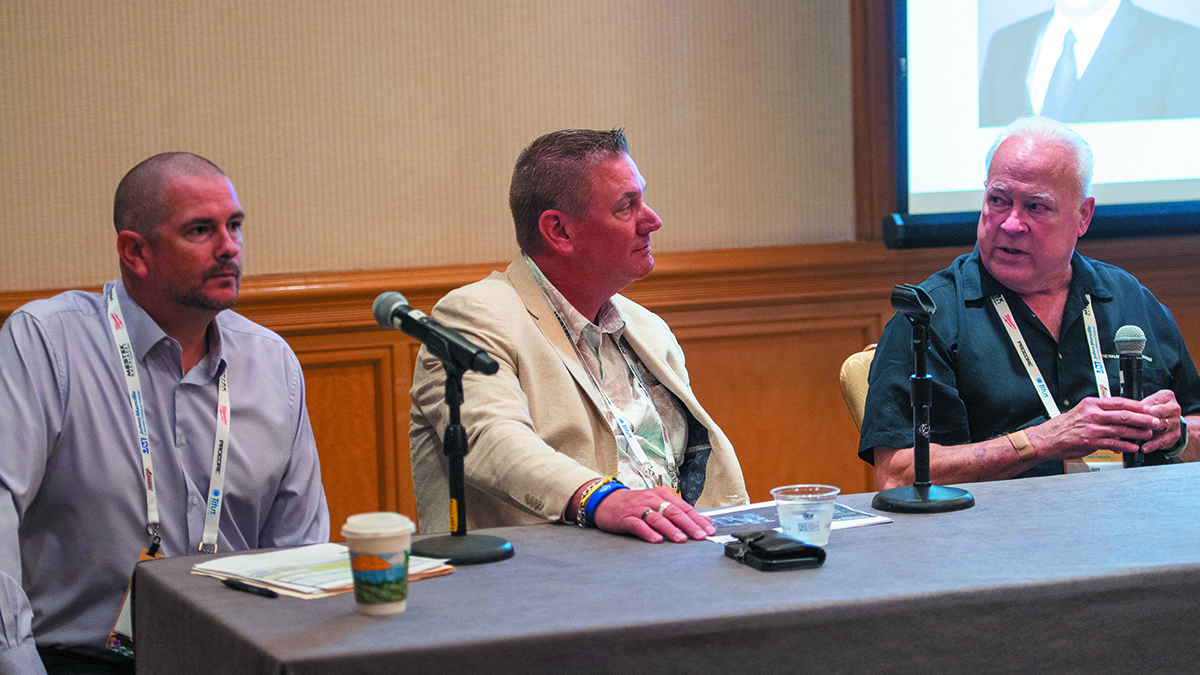
Gourley focuses locally to recruit talent. “We focus on construction management and civil mechanical engineering safety, so we make sure we’re looking for that kind of talent,” he says. “A lot of our interns who are working with us now help us build those relationships with local schools and advise us on the program because they know what the experience is like.”
All of the panel members prioritize paid positions, housing aid and diverse recruiters to reflect their workforces and encourage internship participation.
While finding diverse talent is improving, it can still be a struggle. “I would like to see our company reflect more of our community. That is the benchmark,” Gast says. “Unfortunately, when you look at the engineering community, only 4% of the engineers at Iowa State are black. It’s pretty hard to have your company look like your community when the population you’re recruiting is low. We will hire qualified people, and I’m pleased to see more women entering the engineering field.”
Gourley also has seen more women enter the company’s internship program for engineering positions, operations and safety.
Embracing rotations through departments, providing mentors and ensuring interns perform real tasks define internship program success.
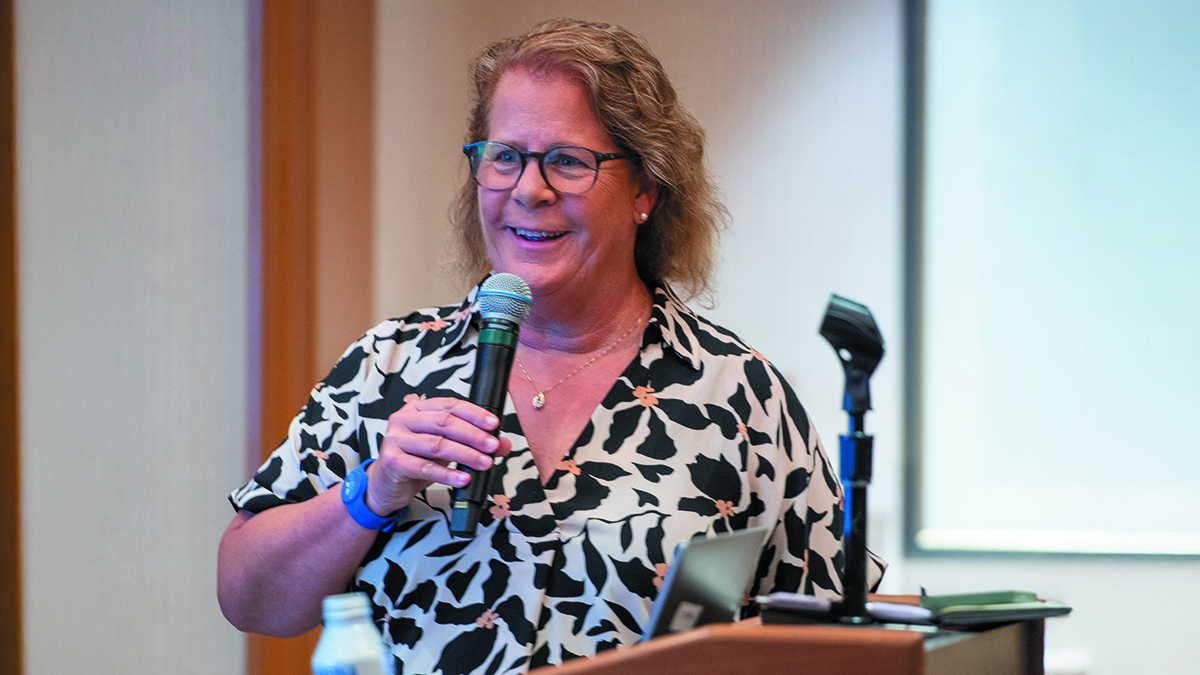
“We do a rotation program where they get to basically touch every aspect, including engineering, IT, detailing, major product service, etc.,” Gourley says. “They get a broad experience to understand what they really want to do because you don’t really know what path you want to take until you live it.”
Getting them into the field is also important. “Put them on a job with a project manager and keep them involved with projects,” Barler says, adding that weekly feedback and social events build bonds, while presentations reinforce learning. “You want them to get into the environment they’re working in.”
And “you’ve got to have a mentor,” Gast emphasizes. The first week is orientation and then we do safety training, but we provide a mentor for each intern to ensure a successful experience through the whole process.”
Once you have a relationship built with interns and future workers, panelists recommend acting fast on stars and staying connected.
Don’t be afraid to make offers to interns who excel. “If you’ve got a superstar, we give them an offer before they leave the building,” Barler says.
“You have to be intentional,” Gast agrees. “They’re going to have a job offer before they go to school. If you’re not ready for that, continue monthly check-ins. Be intentional about persistent communication. Encourage them to stop by any of your offices.”
Offering interns swag and inviting them to events can also keep a business top-of-mind as they pursue job opportunities after graduation.
As Gast says, quoting a Walt Disney mantra, “Make it so good that they want to come back and bring their friends.”
Published: May 18, 2026
IN THIS ISSUE
AI Is Your New Apprentice: Why Contractors Need Training, Guardrails and an AI Game Plan in 2026
Unlike some technologies, AI is not just something firms adopt; it has a strong individual-level adoption, which presents a problem familiar to leaders who dealt with the introduction of smartphones 15 years ago.
ARCHITECTURAL: Where Metal Meets the Landscape
California Sheet Metal’s award-winning work at Bioterra proves that architectural precision and environmental harmony are not mutually exclusive.
Chapter Spotlight: SMACNA Detroit - America’s Comeback City
The Motor City’s SMACNA chapter works to capture new opportunities in this resurgent community.
Clean Air, Efficient Buildings: SMACNA Pushes Three Bills That Could Transform the Industry
The construction slowdown that began in early 2025 only worsened in 2026 due to increased metal and equipment tariffs,spiking energy costs and stubborn interest rates.
How a Father’s Advice Built a Career
SMACNA's President discusses his story of how he entered the trades and provides advice for those looking to join our industry.
HVAC: 75 Years and Still Ahead of the Curve
Geauga Mechanical’s three-generation bet on innovation pays off in an historic Cleveland renovation.
INDUSTRIAL: Metal and Microclimates
How HVAC is powering America’s next industrial boom.
Powering the Trades
Learn more about the enormous potential of a career in the trades and why it is important for SMACNA to do its part to build a sustainable and dynamic workforce.
RESIDENTIAL: Breathing Life Into Burnaby’s New Skyline
At Gilmore Place, Evergreen Sheet Metal navigated one of the most complex HVAC installations in British Columbia’s history.
TESTING, ADJUSTING AND BALANCING: Tuning the Invisible TAB Orchestra
HVAC systems hum silently when balanced right, delivering comfort, safety and efficiency. But when done wrong, the noise of wasted energy and failed inspections can drown out everything.
Welcome New SMACNA Members
What Contractors Should Know About “No Tax on Overtime”
To keep projects moving and crews in the field, overtime has long been a reality in the construction industry.
Workforce Strategies: A Trade Without Walls
How three professionals from academia, marketing and tech left their careers behind and found their futures in sheet metal and HVAC.
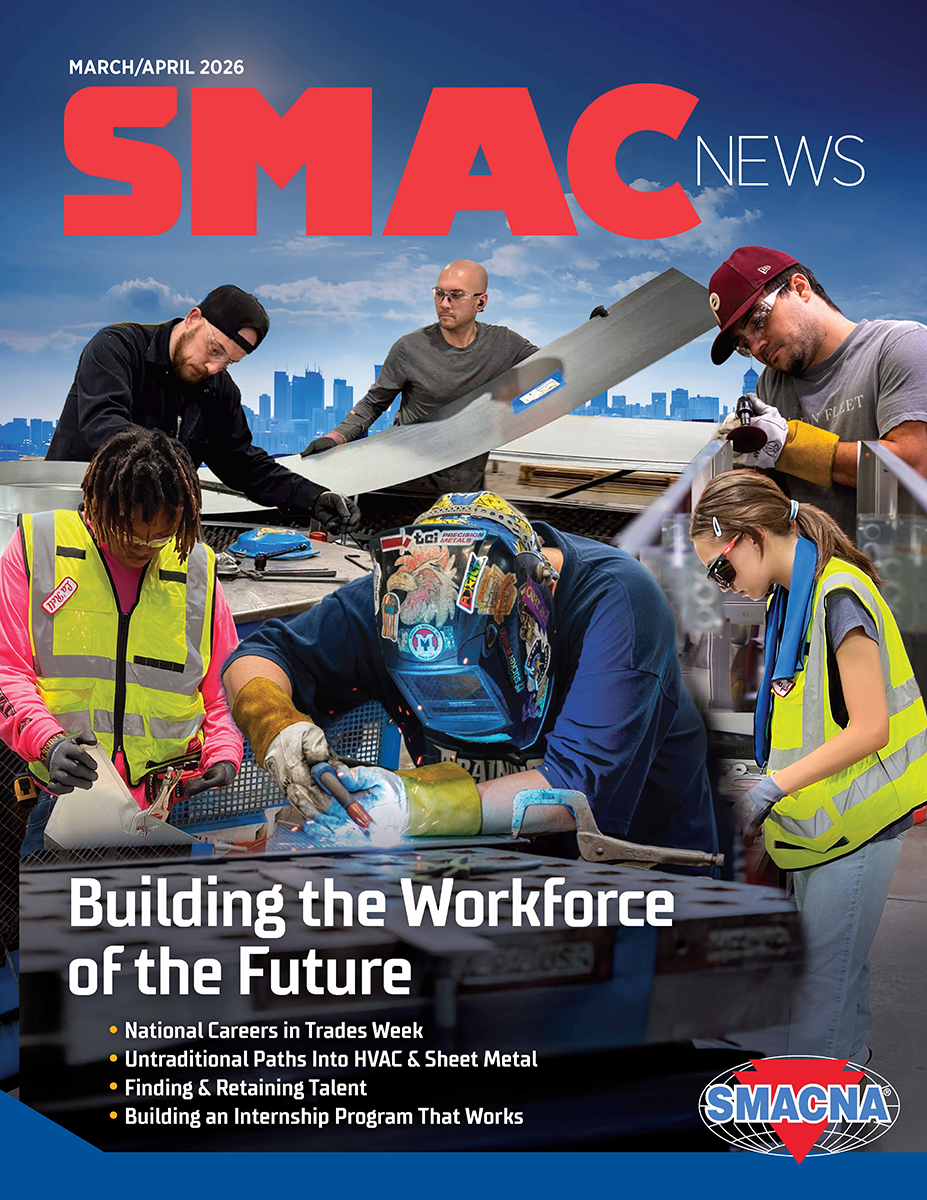
Workforce Strategies: Building the Workforce of the Future
National Careers in Trades Week returns with new partners, new research and a new generation ready to work.
Workforce Strategies: Finding and Retaining Talent in a Shifting Workforce
How to recruit with authenticity, retain through empathy and develop through opportunity.
Workforce Strategies: How to Build an Internship Program That Works
Sheet metal and HVAC leaders reveal proven strategies that turn college talent into industry lifelines, even for small firms.
Privacy Policy |
Terms of Use | Contact Us
Phone: 703.803.2980 | Email:
info@smacna.org
© 1998-2026 SMACNA. All rights reserved.
Web Design & Development by Matrix Group
International, Inc.
